



Social Media Reputation Management in 2026: How Businesses Protect Their Brand Online at Scale
Introduction
Building a successful brand on social media is no longer only about gaining followers, publishing content, or increasing engagement.
As businesses become more visible online, they also face new challenges:
- Fake accounts pretending to represent their brand
- Spam and harmful content
- Impersonation attempts
- Misleading pages or posts
- Reputation risks spreading quickly across platforms
In the early days of social media, businesses mainly focused on growth.
In 2026, successful businesses must focus on both:
Growing their audience and protecting their digital reputation.
This is why social media reputation management has become an essential part of modern marketing operations.
A strong social media strategy is not only about creating conversations. It is also about monitoring those conversations, identifying risks, and responding appropriately.
What Is Social Media Reputation Management?
Social media reputation management is the process of monitoring, maintaining, and protecting how a brand is perceived across social platforms.
It involves activities such as:
- Monitoring brand mentions
- Managing online conversations
- Identifying fake profiles
- Responding to customer concerns
- Addressing harmful or misleading content
- Reporting content that violates platform policies
The goal is simple:
Help businesses maintain trust and protect the online presence they have built.
Why Brand Protection Has Become More Important in 2026
Social media has become one of the most important communication channels between businesses and customers.
A customer may discover a brand through:
- TikTok
- YouTube
- Online communities
This creates huge opportunities.
However, increased visibility also creates more responsibility.
A growing brand may attract:
- Real customers
- Brand supporters
- Industry discussions
But it may also attract:
- Fake profiles
- Spam accounts
- Scam attempts
- Misleading content
The larger the digital footprint becomes, the more important reputation management becomes.
The Hidden Challenge: Growth Creates More Risks
Many businesses focus heavily on gaining attention.
They invest in:
- Content creation
- Advertising
- Influencer marketing
- Community building
But growth creates a new challenge:
How do you protect the audience and reputation you worked hard to build?
For example:
A company may spend years building customer trust. Then someone creates a fake page using the company name and logo.
A creator may build a strong following. Then fake accounts appear pretending to be the creator.
An online store may become popular. Then scammers create fake promotions targeting customers.
These situations require more than content scheduling.
They require a structured reputation management workflow.
Common Social Media Reputation Risks Businesses Face
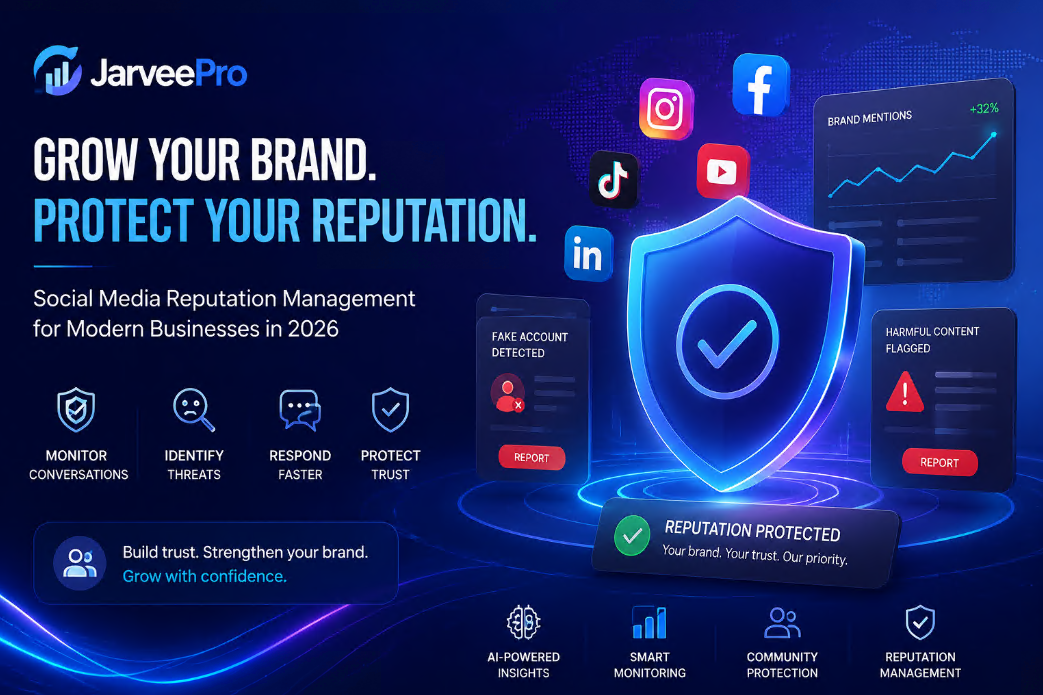
1. Fake Accounts and Brand Impersonation
One of the most common challenges for growing brands is impersonation.
Examples include:
- Fake company profiles
- Fake customer support accounts
- Fake promotional pages
- Accounts using brand names or logos without permission
These accounts can damage customer trust and create confusion.
Businesses need systems to identify suspicious activity and take appropriate action.
2. Spam and Harmful Content
Social platforms contain large amounts of user-generated content.
Businesses may encounter:
- Spam comments
- Scam links
- Misleading promotions
- Inappropriate content
- Harmful discussions
Without proper monitoring, these issues can affect how customers view a brand.
3. Community Management Challenges
A successful social media presence often creates an active community.
Communities are valuable because they create:
- Customer relationships
- Discussions
- Brand loyalty
However, active communities also require management.
Businesses need to:
- Monitor conversations
- Maintain quality discussions
- Address problems quickly
Why Manual Reputation Monitoring Is No Longer Enough
A small business may manage a few conversations manually.
But larger operations often handle:
- Multiple social platforms
- Multiple brand accounts
- Large audiences
- Thousands of interactions
Monitoring everything manually becomes difficult.
Marketing teams need better systems to organize information and identify important issues.
This is where automation and AI-powered monitoring can help.
The Role of AI in Social Media Reputation Management
Artificial intelligence is changing how businesses monitor and manage online conversations.
AI-powered systems can help businesses analyze large amounts of information and identify patterns more efficiently.
Potential applications include:
Trend Monitoring
Businesses can better understand:
- What people are discussing
- Which topics are gaining attention
- Where new opportunities appear
Conversation Analysis
AI can help organize large amounts of social activity, making it easier for teams to identify important discussions.
Faster Decision Support
Instead of manually reviewing every interaction, teams can focus attention on the conversations that require human review.
AI helps reduce information overload.
Reporting Is Only One Part of Reputation Management
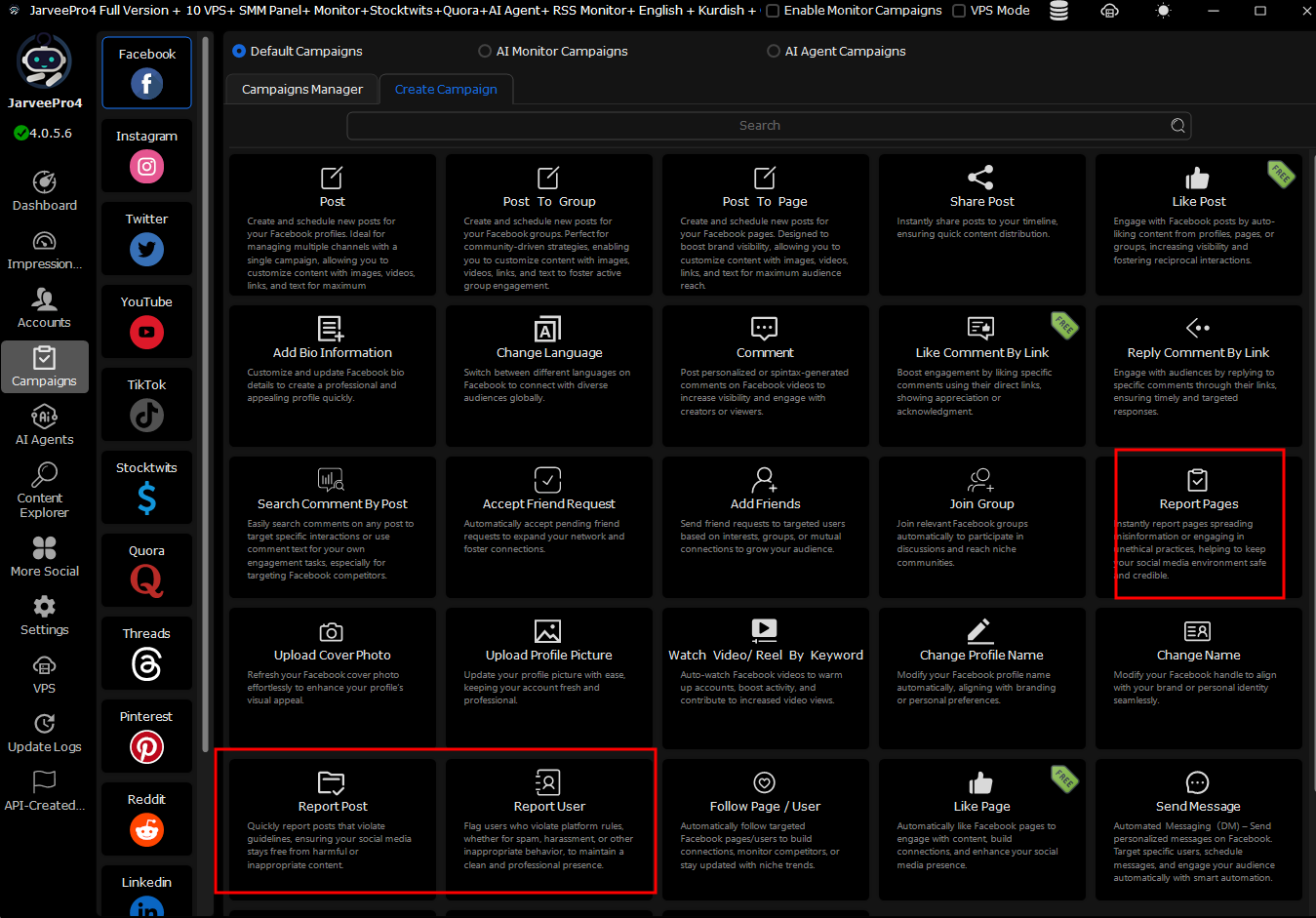
Reporting features are useful, but professional reputation management is broader than reporting alone.
A complete workflow usually includes:
1. Monitoring
Understand what is happening around your brand.
2. Identification
Find content, accounts, or conversations that may require attention.
3. Evaluation
Determine whether action is necessary.
4. Response
Handle situations appropriately.
5. Reporting
Submit reports when content or accounts violate platform rules.
Responsible reporting is based on genuine policy violations, not normal competition, criticism, or different opinions.
How Businesses Build a Modern Social Media Protection Workflow
A professional social media operation usually combines several capabilities.
Social Media Management
Businesses need tools to organize:
- Multiple accounts
- Content workflows
- Engagement activities
- Campaign management
Monitoring and Analytics
Businesses need visibility into:
- Audience behavior
- Brand conversations
- Campaign performance
Content Creation
Strong reputation management also requires consistent communication.
Businesses need the ability to create:
- Educational content
- Brand updates
- Customer responses
- Community messages
Account Organization
When managing multiple digital assets, proper organization becomes increasingly important.
Teams need clear workflows to separate, manage, and monitor different accounts.
How JarveePro Supports Modern Social Media Operations
JarveePro helps users manage social media workflows through automation, monitoring, and account management features.
For businesses managing multiple social media activities, JarveePro provides tools designed to support:
- Social media publishing workflows
- Engagement management
- Account organization
- Content discovery
- Monitoring activities
- AI-powered social media workflows
Instead of handling every task separately, businesses can build a more organized social media management process.
The Future of Social Media Management: Growth Plus Protection
The next generation of social media management will not only focus on gaining visibility.
Businesses will increasingly need systems that help them:
- Discover opportunities
- Build communities
- Monitor conversations
- Protect their reputation
- Improve decision-making
The future social media manager will not only be a content publisher.
They will be a digital operations manager responsible for both growth and protection.
Conclusion
Social media success is no longer measured only by followers, likes, and impressions.
Trust has become one of the most valuable assets a brand can build.
As businesses expand their online presence, social media reputation management will become a necessary part of digital strategy.
The brands that succeed in 2026 will be those that understand an important lesson:
Growing your audience is important. Protecting the relationship with that audience is equally important.
Modern social media management is not only about being seen.
It is about being trusted.