



How Automation Supports Online Reputation Defense
How Automation Supports Online Reputation Defense
Online reputation is no longer something businesses “manage occasionally.” In 2026, it’s something they must defend continuously.
Reviews appear overnight. Comments spiral fast. One ignored platform becomes a screenshot that lives forever. For brands operating across multiple social networks, forums, and content platforms, manual reputation management simply does not scale.
This is where automation becomes a defensive tool — not a growth hack, not a shortcut, but a protective infrastructure.
This article explains how automation supports online reputation defense, what problems it actually solves, and how businesses use platforms like JarveePro to protect brand credibility without crossing ethical or platform boundaries.
Why Online Reputation Defense Is Now a Daily Requirement
The modern reputation threat landscape looks very different from even five years ago:
User-generated content spreads faster than official statements
Comments and replies rank in search engines
Screenshots outperform explanations
Silence is interpreted as guilt or incompetence
For small businesses, startups, agencies, and public-facing brands, reputation damage usually doesn’t come from one viral scandal — it comes from accumulated neglect:
Unanswered negative comments
Inconsistent brand voice
Slow response times
Platforms left unmanaged
Automation addresses these weaknesses before they become visible problems.
Automation Is Not Fake Engagement — It’s Operational Coverage
One of the biggest misconceptions is that automation equals spam or fake behavior. In reputation defense, automation serves a different role entirely.
Think of it as:
A monitoring system
A response assistant
A consistency engine
Tools like JarveePro don’t “invent” your reputation — they help you maintain presence, responsiveness, and control across platforms where human attention alone would fail.
Automated Monitoring: Seeing Problems Early
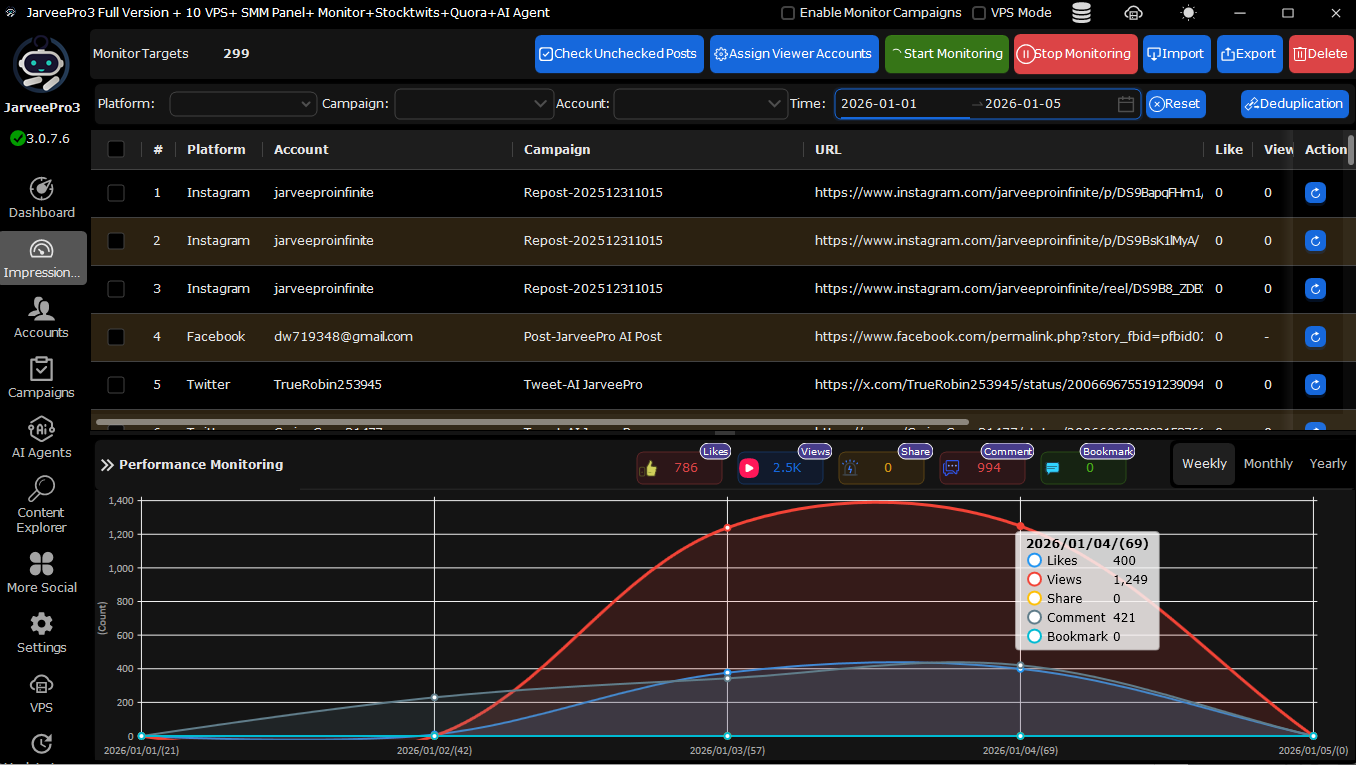
Reputation damage escalates when issues go unnoticed.
Automation helps by:
Monitoring comments, mentions, and replies across platforms
Flagging keywords related to complaints, pricing, refunds, or trust
Identifying unusual engagement spikes that may signal attacks or coordinated criticism
Early detection gives brands time to respond calmly, accurately, and publicly — instead of reacting after narratives form.
Comment Moderation and Guarding Brand Spaces
Comment sections are one of the most common reputation leak points.
Unmoderated comments lead to:
Misinformation spreading under official posts
Aggressive replies deterring potential customers
Brand pages appearing abandoned
Automation supports reputation defense through comment control, not censorship.
With features like Comment Guard–style logic, brands can:
Hide or flag comments with abusive language
Automatically respond with neutral, policy-based replies
Maintain professional tone even under pressure
This keeps brand-owned spaces clean, readable, and credible.
Automated Responses Without Sounding Robotic
Speed matters, but tone matters more.
Automation does not mean sending the same canned reply to everyone. Modern automation systems allow:
Conditional replies based on comment type
Time-delayed responses to avoid “instant bot” signals
Structured templates that preserve brand voice
This allows businesses to:
Acknowledge issues quickly
Buy time for deeper human follow-up
Avoid the reputational damage of silence
In reputation defense, acknowledgment is often more important than resolution speed.
Consistency Across Platforms Builds Trust
One overlooked aspect of reputation defense is inconsistency.
When a brand:
Responds on Facebook but ignores Instagram
Posts updates on X but abandons LinkedIn
Answers reviews on Google but not on social media
…users assume disorganization or avoidance.
Automation ensures:
Regular posting cadence across platforms
Unified messaging during sensitive periods
Brand presence everywhere customers might check
Consistency signals reliability — and reliability is reputation.
Scaling Reputation Defense Without Hiring More Staff
For agencies, SaaS companies, and growing businesses, reputation management costs scale fast.
Automation allows teams to:
Manage multiple brand accounts from one system
Apply the same moderation and response rules consistently
Reduce human workload without reducing oversight
This is especially important for:
Account-based reputation defense
Multi-location brands
Influencers managing multiple identities
Automation becomes a force multiplier, not a replacement for judgment.
What Automation Should Never Do in Reputation Defense
Expert use matters. Poor automation damages trust faster than no automation.
Reputation automation should never:
Argue emotionally with users
Delete legitimate criticism automatically
Post misleading or defensive statements
Flood comment sections to bury feedback
JarveePro-style automation works best when used as support, not as confrontation.
Automation + Human Strategy = Sustainable Reputation Protection
The strongest reputation defense models combine:
Automation for monitoring, coverage, and consistency
Humans for judgment, empathy, and escalation handling
Automation handles volume.
Humans handle nuance.
That balance is what allows brands to protect credibility while remaining authentic.
Reputation Defense Is a System, Not a Reaction
Online reputation isn’t something you fix once and forget. It’s an ecosystem that needs:
Visibility
Responsiveness
Consistency
Control
Automation supports all four — when implemented with intent.
For businesses operating in crowded, fast-moving digital spaces, automation is no longer optional. It’s the foundation that keeps reputations stable while growth continues.