



What Is Comment Guard? A Clear Guide for Social Media Users in 2026
Introduction
If you spend time in advanced social media communities, you’ll hear terms that sound more technical than they really are. “Comment Guard” is one of them.
New users often assume it’s an automation feature, a bot, or something that actively fights negative comments across the platform. That misunderstanding leads to incorrect setups and unrealistic expectations.
Comment Guard is much simpler—and more limited—than most people think.
This article explains Comment Guard in plain language so users understand exactly what problem it solves, where it stops working, and how it fits alongside automation tools like JarveePro in 2026.
What Is Comment Guard?
Comment Guard is a comment moderation mechanism, not an automation tool.
In most cases, the term refers to:
Facebook Page moderation filters
Keyword-based comment hiding rules
Third-party moderation tools that connect to owned pages
Its purpose is to automatically hide or filter comments containing specific words or phrases before they are publicly visible.
Comment Guard does not reply, argue, defend, or generate content. It simply removes visibility.
What Comment Guard Is Not
Understanding limitations is critical.
Comment Guard is not:
A JarveePro feature
A commenting bot
A reputation repair system
A cross-page moderation tool
It cannot:
Hide comments on other people’s posts
Moderate content in groups you do not own
Respond to criticism
Influence conversations off your page
This distinction prevents misuse.
How Comment Guard Works in Practice
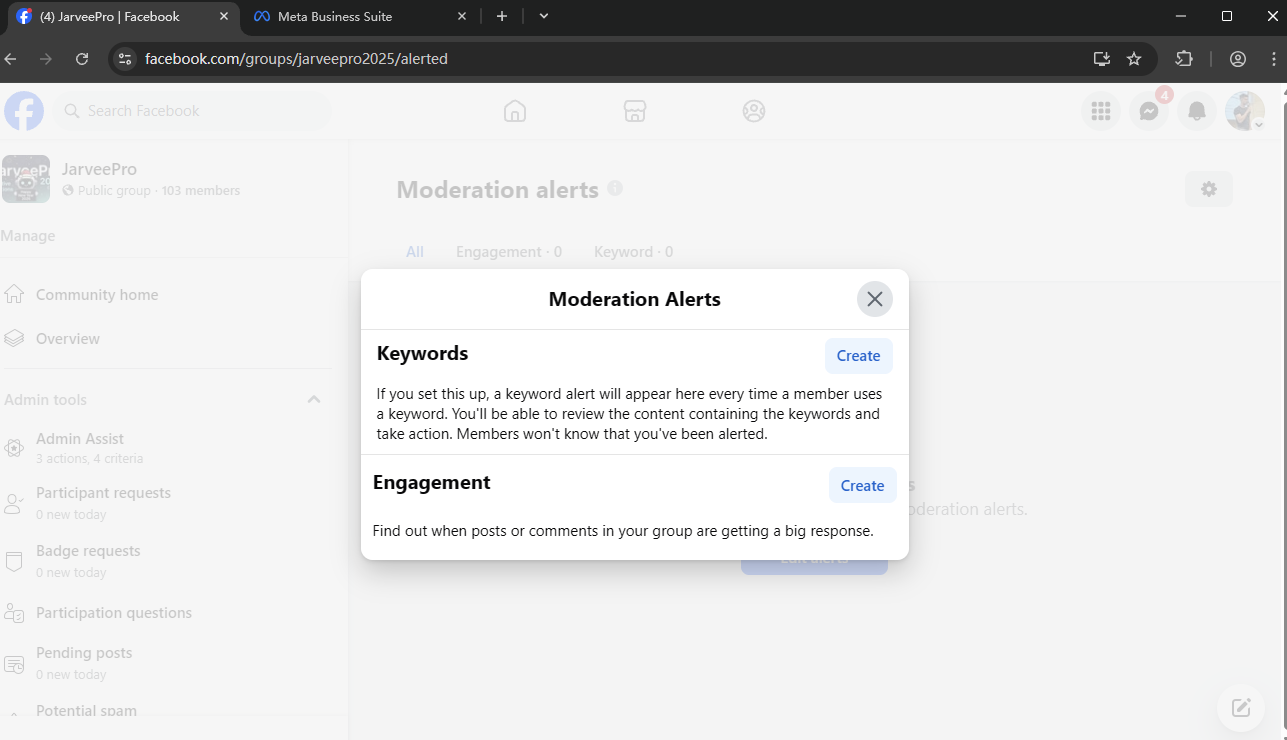
Comment Guard works at the page or profile level.
A typical setup looks like this:
You own or manage a Facebook Page
You define keywords or phrases (e.g., spam, insults)
Comments containing those terms are automatically hidden
The comment still exists, but only the commenter and their friends may see it. For most audiences, it disappears.
When Comment Guard Is Useful
Comment Guard works best when:
You manage a brand or public page
You receive repetitive spam comments
You want immediate suppression of harmful language
You control the page where comments appear
It is especially effective for:
Ads comment moderation
Viral post protection
Preventing comment pile-ons
When Comment Guard Does Not Work
Comment Guard fails when:
Negative comments appear on third-party pages
Posts tag your brand but are not owned by you
Discussions happen inside external groups
In these cases, moderation tools have zero authority.
This is where confusion often starts.
Comment Guard vs Automation: Two Different Problems
Comment Guard and automation tools are often mentioned together, but they solve different problems.
| Problem | Solution |
|---|---|
| Hide spam on your page | Comment Guard |
| Respond to criticism elsewhere | Manual or automated replies |
| Shape conversation tone | Aged accounts + pacing |
| Off-page reputation defense | Automation with strict limits |
They are complementary, not interchangeable.
Why Automation Is Still Needed
When criticism happens outside your control, the only option is participation.
That requires:
Monitoring mentions
Responding naturally
Using aged accounts
Respecting rate limits
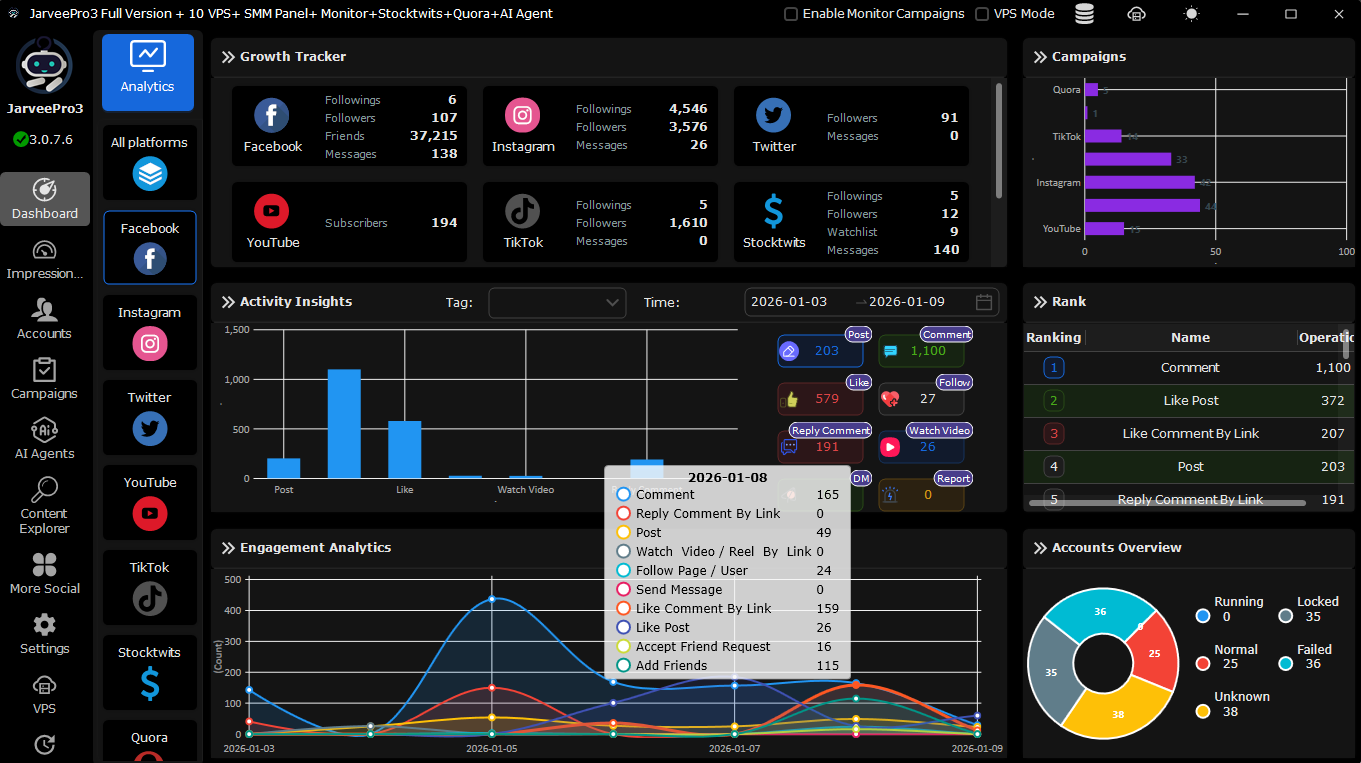
This is where platforms like JarveePro are used—not to moderate, but to participate safely.
Common Misconceptions About Comment Guard
“It protects my brand everywhere”
False. It only works on owned assets.
“It replaces reputation management”
False. It hides, it does not persuade.
“It prevents bans”
False. It has nothing to do with account safety.
Understanding these limits prevents strategic mistakes.
Best Practices for Using Comment Guard
Use narrow keyword lists
Avoid over-filtering normal language
Review hidden comments periodically
Combine with manual moderation
Do not rely on it for off-page issues
Moderation should feel invisible, not aggressive.
Comment Guard in 2026: The Reality
In 2026, platforms expect pages to self-moderate. Comment Guard is part of that expectation.
However, platforms do not offer tools to control conversations you do not own. That boundary is intentional.
Effective social media management accepts this split:
Moderation for owned content
Engagement for external content
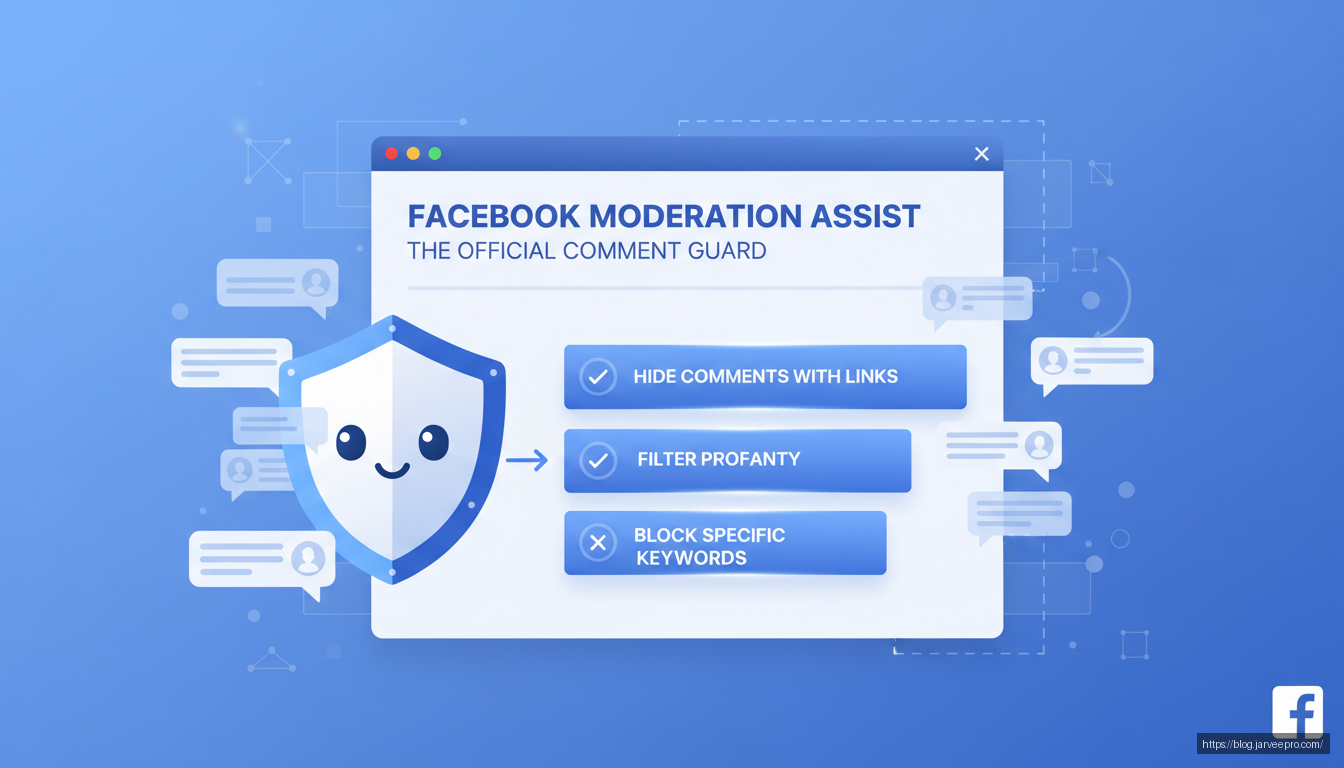
Comment Guard is not powerful—but it is precise.
Used correctly, it quietly protects owned pages from obvious harm. Used incorrectly, it creates false confidence.
Knowing what tools can and cannot do is the difference between stable long-term strategies and reactive mistakes.
Summary
Comment Guard is a moderation feature designed to hide unwanted comments on pages you own. It does not automate replies, manage off-page discussions, or replace engagment strategies. In 2026, it should be viewed as one small layer of a broader social media management approach.