



Critical Update: New Account Warm-Up Strategy for Social Media Automation (2026)
Introduction
Recent updates across major social media platforms have significantly changed how new accounts are evaluated and restricted. Many users are experiencing faster bans, reduced effectiveness, and immediate action blocks—not about the tools they use, but because the account behavior no longer matches platform expectations.
This is no longer about “automation vs manual.”
It’s about whether your account behaves like a real human over time.
If you skip the warm-up phase or push marketing actions too early, accounts will fail—fast.
What Changed: Why New Accounts Are Getting Flagged Faster
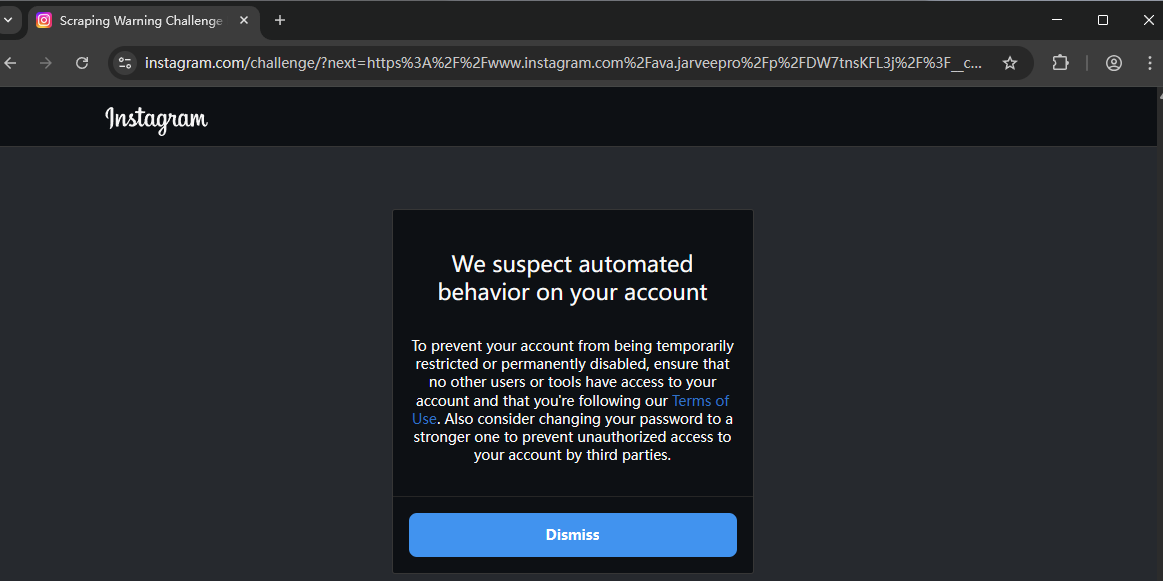
Platforms now focus heavily on behavioral patterns, especially for new accounts:
- Immediate automation = high risk
- Repetitive or AI-style content = suspicious
- Purely promotional behavior = flagged quickly
Detection systems are:
- Faster
- More sensitive
- Less forgiving
This means old strategies no longer work reliably.
Phase 1: Initial Login Behavior (First Session Matters)
The moment you log into a new account, the platform starts evaluating behavior.
What to do:
- Spend at least 10 minutes browsing
- Scroll feeds naturally
- View profiles and content
- Act like a normal user
What NOT to do:
- Do not run automation immediately
- Do not perform bulk actions
This step builds your first trust signal.
Phase 2: Controlled Posting (Day 1 Content Rules)
After initial browsing, you can begin light activity—but carefully.
Allowed:
- 1–2 posts only
- Casual, human-like content
Strictly avoid:
- Ads or promotional posts
- AI-generated or templated content
- Repetitive structures
Recommended content types:
- Personal thoughts
- Daily life snippets
- Entertainment or light engagement posts
Smart move: Prepare a dedicated warm-up content library and import it into your automation tool.
Phase 3: The 24-Hour Rule (Critical Buffer Period)
This is where most people mess up.
After initial setup:
- Wait at least 24 hours before any marketing actions
During this period:
- Light activity only
- No aggressive automation
- Continue normal browsing/posting behavior
This delay helps stabilize the account and reduce risk signals.
Phase 4: Gradual Automation Scaling
Once the 24-hour period passes, you can begin introducing automation—but slowly.
Best approach:
- Start with low limits
- Increase activity gradually
- Monitor platform responses closely
Avoid:
- Jumping to high limits
- Running multiple aggressive actions at once
Scaling should feel invisible, not forced.
Content Strategy: Stop Posting Only Marketing Content
One of the biggest mistakes is turning accounts into pure marketing machines.
Modern platforms expect content diversity.
Your content mix should include:
- Lifestyle or personal posts
- Engagement-focused content
- Occasional marketing content
Think of it like this:
If every post is trying to sell, the account loses authenticity—and gets flagged faster.
Task Structure in Automation Tools (JarveePro Best Practice)
To maintain long-term account health, you should separate tasks into clear categories:
1. Initial Warm-Up Tasks
- Browsing simulation
- Light engagement
- Minimal posting
2. Regular Posting Tasks
- Scheduled content
- Mixed content types
3. Ongoing Warm-Up (Maintenance)
- Continued normal behavior
- Non-promotional activity
This layered structure helps:
- Extend account lifespan
- Reduce detection risk
- Scale safely over time
Key Takeaway: Accounts Must Be Developed, Not Used
The biggest mindset shift is this:
Accounts are no longer tools you use immediately.
They are assets you build over time.
Rushing leads to:
- Flags
- Blocks
- Lost accounts
Patience leads to:
- Stability
- Longevity
- Scalable growth
Summary
To adapt to the latest platform changes:
- Always warm up new accounts
- Simulate real user behavior (minimum 10 minutes browsing)
- Post only non-promotional content initially
- Wait 24 hours before marketing actions
- Gradually scale automation
- Maintain a diverse content strategy
- Structure tasks for long-term stability
This is no longer optional—it’s the baseline for survival in modern social media automation.